Blog ·
Preparing Your Home for a Smooth Moving Experience
Moving to a new home is one of life's major transitions, and proper preparation makes all the difference. Starting early gives you the time and mental space to organize systematically rather than rush at the last moment.
Begin by taking inventory of what you own. Walk through each room and note items you use regularly, things you haven't touched in months, and pieces you're keeping versus those you might donate or sell. This process helps you understand exactly what needs to move and what doesn't deserve space in your new home.
Create a realistic timeline for your move. Working backward from your moving date, schedule tasks week by week. This might include notifying utility companies, updating your address with important services, arranging mail forwarding, and scheduling any necessary inspections or repairs. A timeline prevents tasks from piling up at the last moment.
Organize your packing by room and by priority. Start with items you use infrequently—seasonal decorations, extra bedding, and formal dishware. Save everyday items for last since you'll need them right up until departure day. Keep items you'll need immediately in your new home, like toiletries, phone chargers, and comfortable clothes, in clearly marked boxes that travel with you.
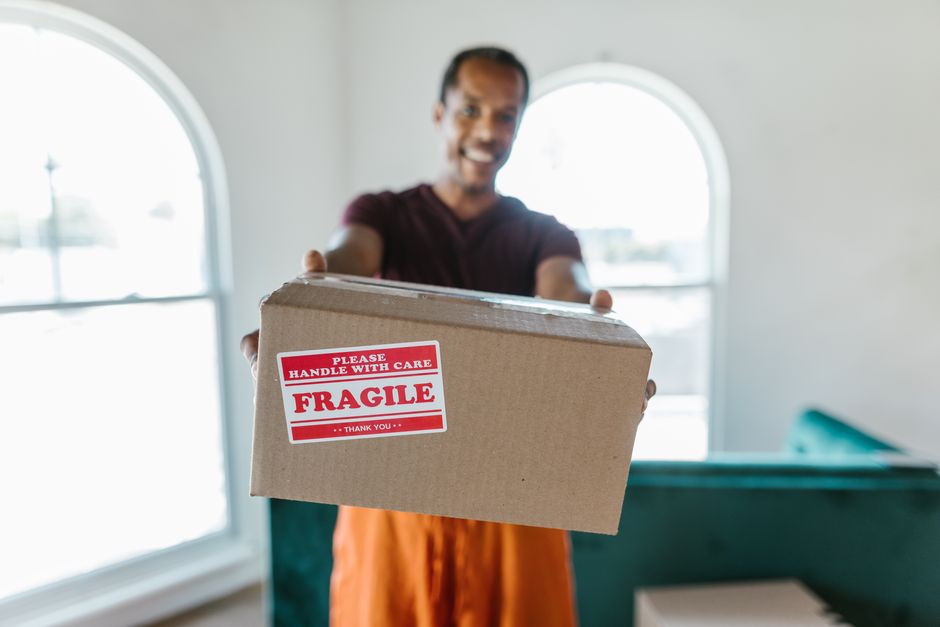
Develop a labeling system that works for you. Include the room destination, a brief list of contents, and fragile warnings when appropriate. Color-coded markers or stickers can make identifying boxes faster on moving day. Take photos of valuable or delicate items before packing them for your own records.
Clear out spaces systematically. Rather than randomly gathering items, dedicate specific days to specific areas. Clean and organize as you go, which also gives you a chance to actually enjoy your current space rather than feeling surrounded by half-packed boxes.
Communicate your needs clearly with your moving team. Provide them with a walkthrough of your current home so they understand the layout and know where to direct their efforts. Answer their questions about fragile items, heavy furniture, and any access restrictions at your new location.
Prepare a moving day essentials box. Include medications, important documents, laptop chargers, basic tools, snacks, and anything you'll genuinely need when you arrive at your new home before other boxes are unpacked.
Finally, take care of yourself during the preparation phase. Moving is physically and mentally demanding. Stay hydrated, take breaks when needed, and don't hesitate to ask friends or family for help with specific tasks. Preparation transforms moving from an overwhelming experience into a manageable, organized process.